Coca-Cola’s CMO Says “Brand Love” Isn’t Enough. Here’s What Businesses Can Learn From It
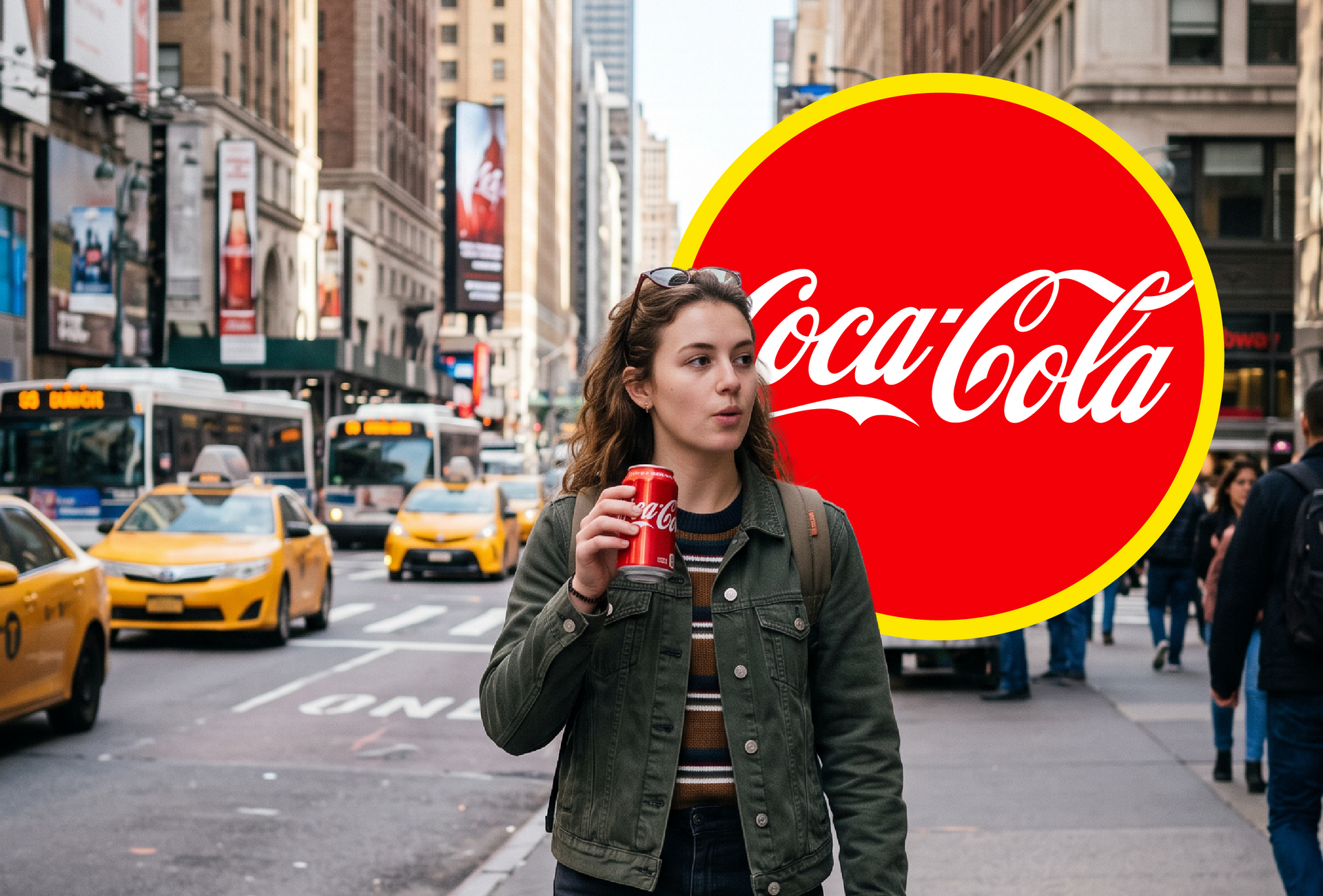
For decades, Coca-Cola has been one of the clearest examples of the power of branding.
Few companies have built the kind of global recognition, nostalgia and cultural relevance associated with the Coca-Cola name.
But Coca-Cola’s global chief marketing officer, Manuel Arroyo, has been making a distinction that matters far beyond one of the world’s largest advertisers: people liking your brand is not the same as people buying from it.
Speaking about Coca-Cola’s marketing strategy and what the company wants from its agency partners, Arroyo has emphasized a greater focus on consumer behavior, consumption and the ability to connect marketing investment with actual business results.
For business owners, the lesson is surprisingly simple.
Marketing should ultimately change what people do.
People Can Love Your Brand and Still Not Buy
Brand awareness matters. Reputation matters. Having customers who recognize and like your company certainly matters.
But those things aren't the final objective.
Arroyo has used Coca-Cola itself to illustrate the problem. People can wear Coca-Cola merchandise, display its logo and express affection for the brand without necessarily consuming more Coca-Cola.
That creates an important distinction between brand sentiment and customer behavior.
The same problem exists on a smaller scale every day.
A business can accumulate Instagram likes without generating sales. A LinkedIn post can receive thousands of impressions without producing a qualified lead. A company can have a recognizable brand while struggling to convert that recognition into customers.
Those metrics aren't worthless. They simply don't tell the entire story.
Coca-Cola Changed What It Measured
Coca-Cola began shifting its marketing focus away from relying heavily on measures such as "brand love" and toward understanding what consumers actually do.
That meant putting greater emphasis on behavior and consumption.
According to Arroyo, the change wasn't automatically embraced internally. When traditional brand metrics and sales performance appeared to tell different stories, it created debate over which measurements actually mattered.
The broader principle is useful for almost any company:
The metrics a business chooses influence the marketing it creates.
If the objective is engagement, teams optimize for engagement.
If the objective is traffic, they optimize for clicks.
If the objective is qualified leads, bookings, purchases or repeat customers, marketing starts being evaluated very differently.
Marketing Should Change Behavior
Every marketing campaign should eventually face a straightforward question:
What did someone do differently because of it?
Did they:
> purchase a product?
> request a quote?
> book an appointment?
> subscribe?
> visit a store?
> return and buy again?
That doesn't mean every advertisement needs to produce an immediate transaction. Awareness and consideration still play important roles in how customers make decisions.
But businesses should understand how those activities contribute to the behaviors that actually move the company forward.
Otherwise, it becomes very easy to confuse activity with results.
Coca-Cola Wants Marketing Connected to Sales
This philosophy is also showing up in where Coca-Cola is putting its attention.
The company has a massive global media, data and technology account under review, reportedly worth roughly $4 billion. Among the areas Arroyo has identified as priorities are creators and influencers, retail media and commerce, and better attribution connecting marketing investment to sales.
Those priorities point toward a larger change taking place across digital marketing.
The boundaries between advertising and commerce are becoming increasingly blurred.
A creator can introduce a product and generate a sale. A retail media advertisement can appear close to the point of purchase. Social and live commerce can move customers from discovery to checkout within the same platform.
As those connections become easier to measure, businesses have more opportunities to understand whether marketing actually influenced revenue.
You Don't Need Coca-Cola's Budget to Apply the Same Thinking
Most businesses aren't managing billions of dollars in advertising.
The underlying discipline still applies.
Start by identifying the actions that matter most to the business.
For an ecommerce company, that might be purchases, conversion rate, repeat purchases or customer acquisition cost.
For a service business, it could be qualified leads, consultations, appointments or closed deals.
For a local business, it might be bookings, calls, store visits or returning customers.
Then work backward.
Which channels generate those actions? Which campaigns contribute to them? Which content attracts people who eventually become customers? Where are potential customers disappearing before they convert?
Suddenly, marketing becomes less about generating impressive-looking numbers and more about understanding what actually moves the business.
Measure What Moves the Business
There is nothing wrong with people liking your company.
Strong brands have enormous value, and Coca-Cola itself is perhaps one of the best demonstrations of that fact.
The mistake is treating admiration as the finish line.
For businesses spending money and time on marketing, the more useful question is what happens next.
People saw it. People liked it. People remembered it.
But did they do anything?
That is the measurement that ultimately matters.
Source: Adweek:
Coca-Cola’s Top Marketer Reveals What He’s Looking for in His Next Agency