90% of This Clothing Brand's Sales Now Come From Livestreams
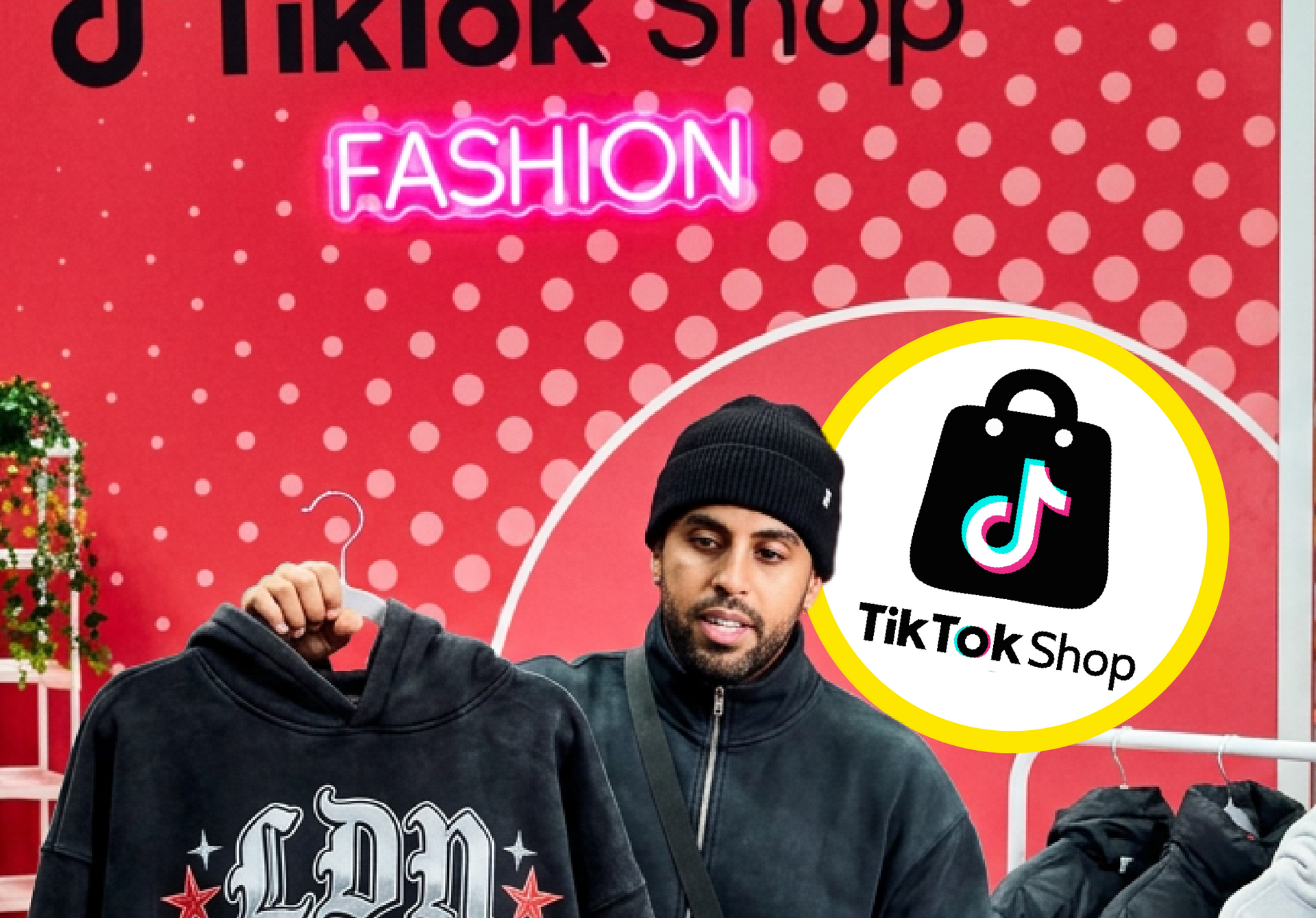
UK streetwear brand SPYRO Apparel reportedly doubled its turnover after joining TikTok Shop. Now, approximately 90% of its sales come from livestream shopping, illustrating how live commerce can move from a promotional experiment to a company's primary sales channel.
For most retailers, livestreaming is still viewed as an additional marketing opportunity. A brand might host a product launch, demonstrate new arrivals or experiment with selling directly to viewers.
For UK streetwear brand SPYRO Apparel, the relationship between livestreaming and retail has developed into something considerably bigger.
According to figures published by TikTok in August 2026, SPYRO doubled its turnover after joining TikTok Shop. More significantly, approximately 90% of the company's total sales now come through livestream shopping.
That is a fundamental shift in how a retail business generates revenue.
Rather than relying primarily on customers visiting an online storefront, browsing products and completing purchases independently, SPYRO has built a sales model in which live product presentations and real-time customer interaction play a central role.
From Marketing Channel to Main Storefront
Traditional ecommerce is largely built around a self-service shopping experience.
Customers discover products through search engines, advertisements, social media or recommendations. They arrive at a website, examine photographs and descriptions, compare options and decide whether to purchase.
Livestream shopping changes that experience.
A presenter can demonstrate products, discuss sizing and materials, answer questions and respond to customer interest as it happens. Viewers can move from discovering a product to purchasing it without leaving the live shopping environment.
For apparel retailers, where appearance, fit, styling and product presentation influence purchasing decisions, this creates a different kind of selling experience.
The distinction is particularly important in SPYRO's case.
If approximately 90% of its sales come through livestreams, live commerce is no longer simply supporting the company's retail operation. It has become the dominant channel through which that operation generates revenue.
Sales Growth Created a New Inventory Challenge
One of the more revealing figures in TikTok's announcement has little to do with broadcasting.
SPYRO reportedly increased its monthly stock investment by 166% to support demand.
That figure illustrates an important consequence of successful live commerce: generating additional orders is only one part of scaling a retail business.
As sales volumes grow, businesses need enough inventory to meet demand. They also need reliable replenishment, sufficient working capital, accurate stock management and fulfillment processes capable of handling the additional orders.
A retailer can attract a large audience and generate substantial purchasing interest during a livestream, but that success becomes difficult to sustain if products are unavailable or orders cannot be processed efficiently.
SPYRO's reported increase in stock investment suggests that its growth has required significant changes beyond the livestream itself.
The business behind the camera has had to develop alongside the sales channel.
The Wider UK Live Shopping Market Is Growing
SPYRO is not the only retailer reporting significant results.
In the same August 2026 announcement, TikTok reported that live shopping in the UK had grown 55% year over year, with more than 6,000 live shopping sessions taking place daily.
The company also highlighted other retailers using TikTok Shop.
CKL Streetwear reportedly doubled its sales after joining the platform, while sneaker retailer
Lux Laces generated more than £100,000 in its first month.
These examples cover different businesses, but they point toward a similar development: livestream shopping is becoming a meaningful commercial activity for some specialist retailers.
The figures are company-reported results published by TikTok, rather than independently audited financial disclosures. They also do not establish that every retailer entering live commerce will experience comparable growth.
Nevertheless, they demonstrate why the format is attracting attention beyond its initial reputation as a social media experiment.
Selling Live Requires More Than an Engaging Host
The visible part of live commerce is relatively straightforward.
A presenter appears on camera, introduces products, interacts with viewers and encourages purchases.
The operational requirements are considerably more involved.
Businesses need a consistent supply of suitable products, dependable broadcast schedules, clear product information and reliable customer support. They also need systems for processing orders, managing inventory, handling returns and delivering purchases.
As sales increase, those requirements become more demanding.
A successful livestream can generate orders quickly. The retailer must then fulfill those orders with the same reliability customers expect from any established ecommerce business.
This is one reason the distinction between experimenting with livestreaming and operating a live commerce business matters.
Occasional broadcasts can be organized as marketing events. A sales channel responsible for most of a company's revenue requires a more developed operational structure.
A Different Way to Think About Ecommerce
SPYRO's reported results raise a larger question about the future of online retail.
For years, the dominant ecommerce model has centered on attracting visitors to a digital storefront and improving the percentage who make a purchase.
Livestream commerce introduces another possibility: bringing the storefront, product presentation, customer interaction and purchasing opportunity together in one live experience.
That does not mean traditional ecommerce websites are becoming obsolete, or that every product category is equally suited to livestream selling.
It does mean that some businesses may find their strongest sales channel in an environment where customers are actively watching, asking questions and making purchasing decisions in real time.
SPYRO's reported experience is a particularly striking example.
A clothing brand doubled its turnover, expanded its inventory investment and reached a point where approximately nine out of every ten sales came through livestream shopping.
For some retailers, live commerce is no longer an additional channel attached to the business.
It is becoming the business.